Piedra de toque. Cristina Garrido
| Location: | Room D, Room E |
Cristina Garrido brings together the Fundación Montemadrid collection and the history of El Monte de Piedad around a single idea: the value of things.
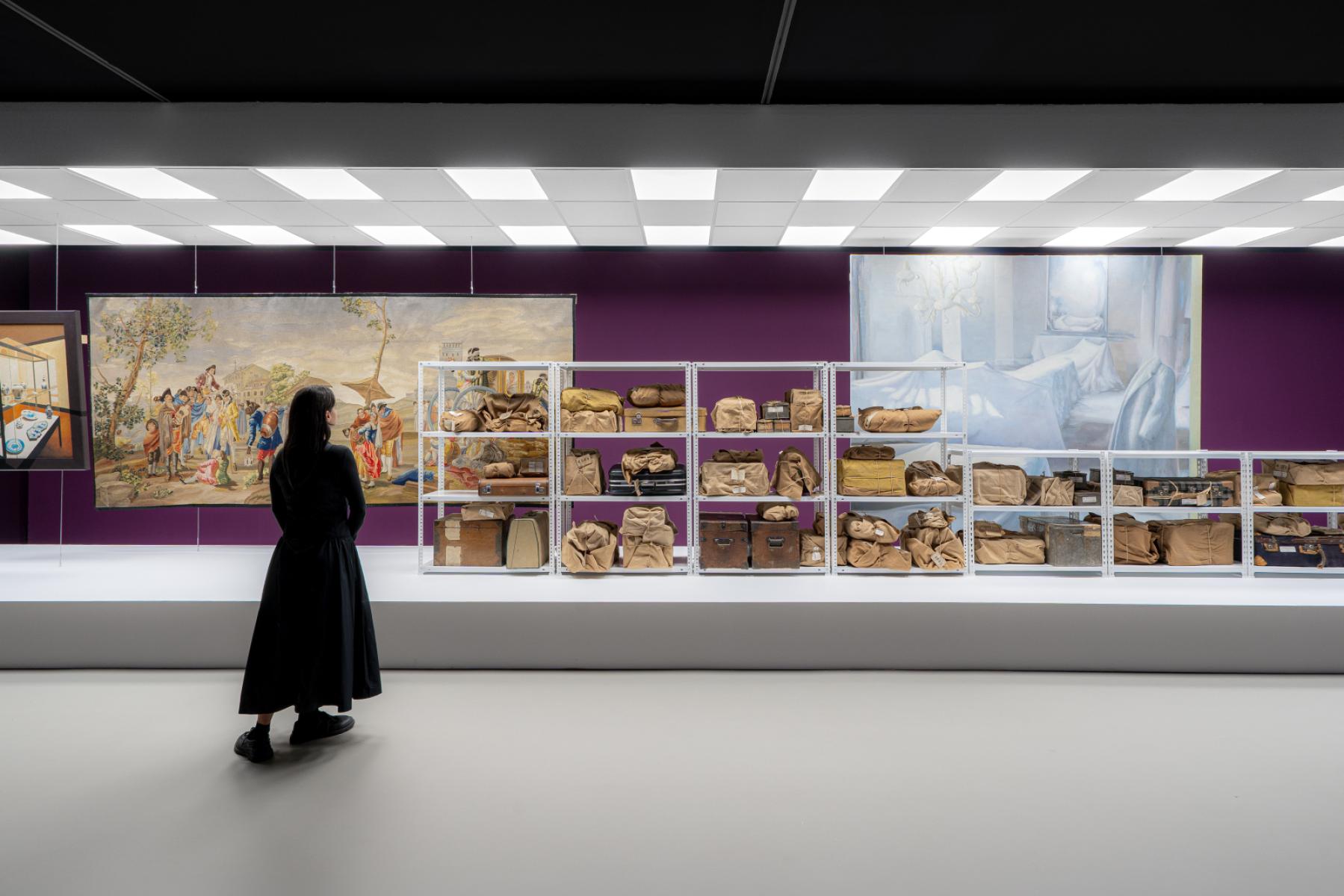
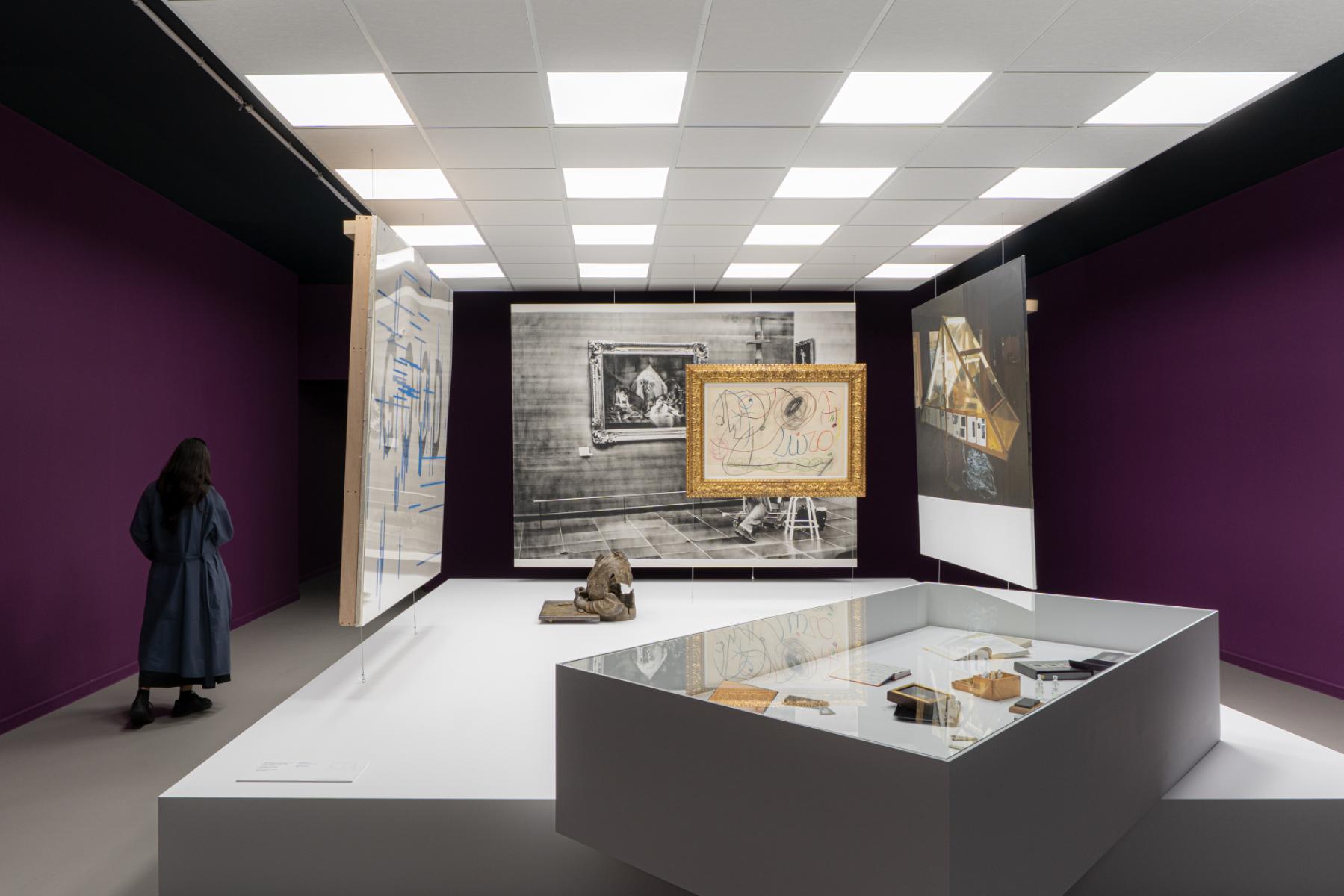
Works by Dalí, Miró, Canogar and Equipo Crónica, kept in storage for decades, are presented alongside watches, everyday objects, appraisal tools, documents and other items connected to the activities of El Monte.
In Piedra de toque, Cristina Garrido invites us to look at the Fundación Montemadrid collection through the history of El Monte de Piedad, the institution from which the Foundation originated. The exhibition brings together works from the collection with objects, tools, documents and processes associated with the activities of El Monte —appraisal, lending and conservation— to explore the different ways in which value is constructed and transformed.
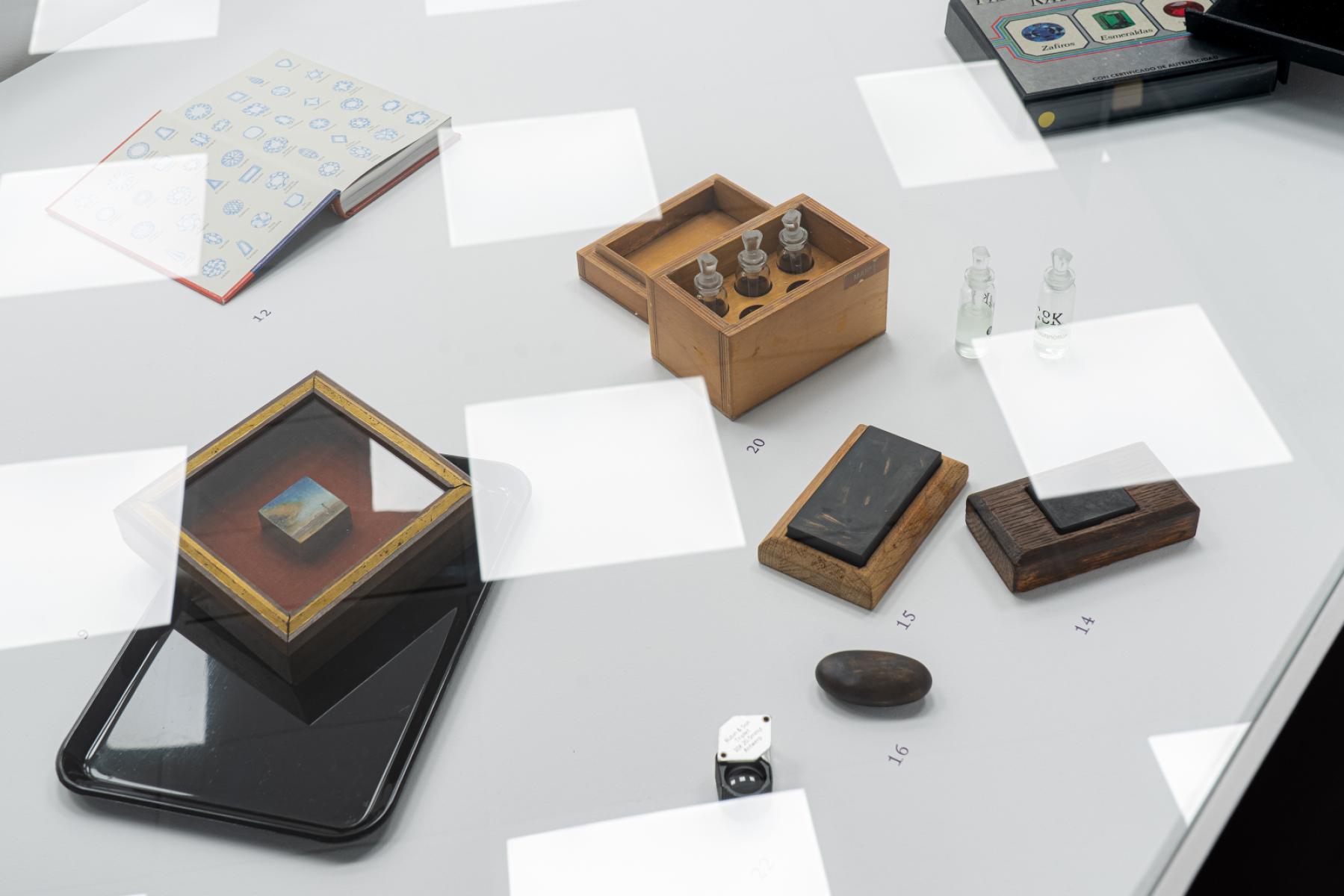
The expression piedra de toque refers to something that allows the true value of an object to be tested. A touchstone was a small piece of jasper used by merchants and jewellers to test the purity of precious metals: a jewel or coin was rubbed against it and a drop of nitric acid applied to determine its composition. The so-called “touchstone test” is still one of the principal tools used today in jewellery appraisal.
The Monte de Piedad of Madrid was founded in 1702 by Father Francisco Piquer, giving rise to what is now Fundación Montemadrid. This relationship remains alive today: part of the resources through which the Foundation —and, consequently, La Casa Encendida— develops its cultural programme and social work comes from the activities of El Monte, specifically from the auctioning of pledged jewellery that has not been reclaimed by its owners. Piedra de toque makes this material continuity visible, showing how the value of a piece of jewellery can be transformed into resources that make contemporary artistic creation and programming possible.
The relationship between El Monte and La Casa Encendida also has a spatial dimension. The building now occupied by the cultural centre was once one of the Monte de Piedad’s premises, where for decades people pledged objects other than jewellery. Where people once came to pawn an object, an exhibition is now presented that once again places those objects and their value at the centre of attention.
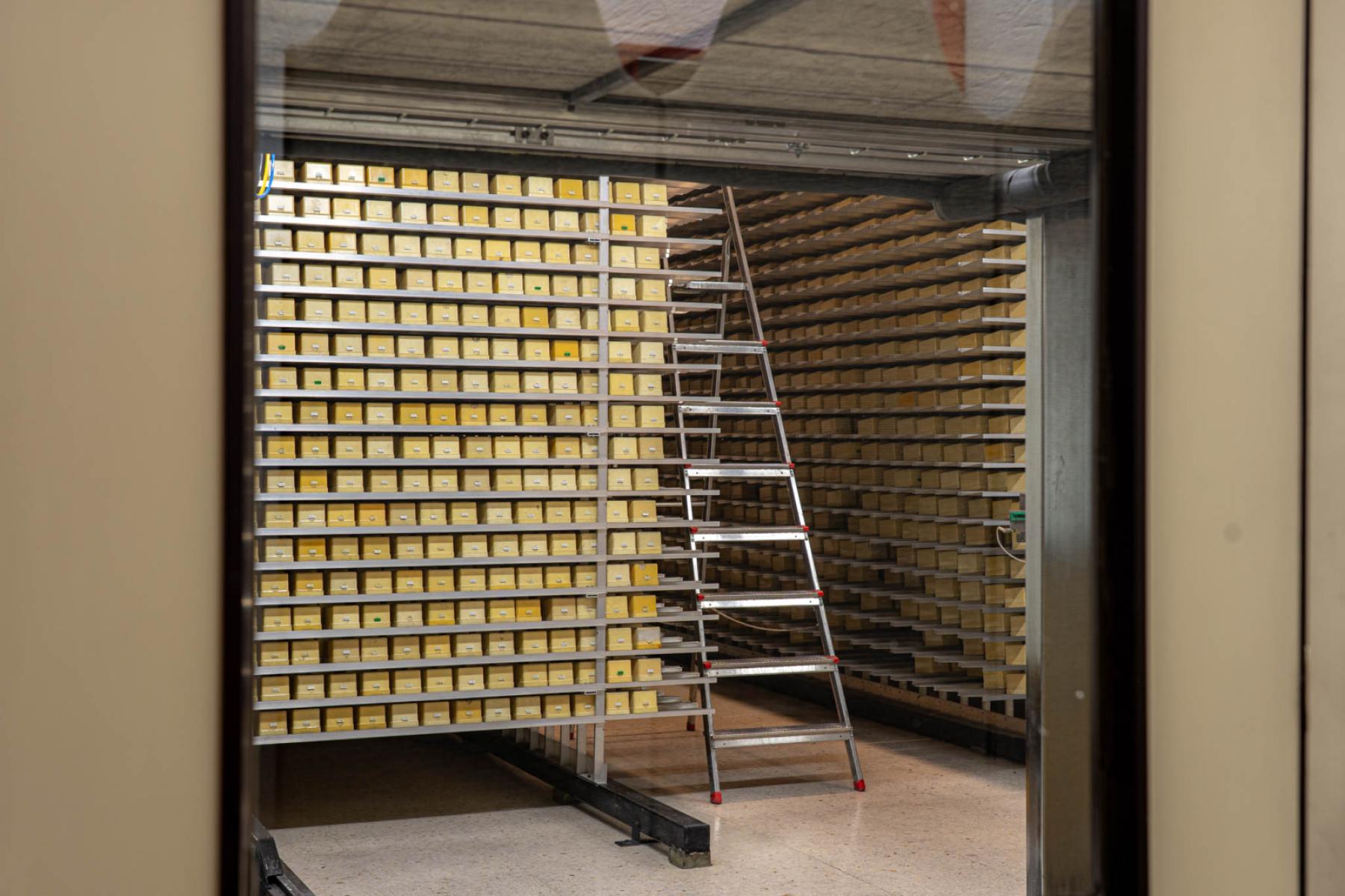
Taking the idea of lending as an artistic methodology, Cristina Garrido temporarily brings together a selection of works from the Fundación Montemadrid Collection with decorative arts objects, belongings kept in the custody of El Monte de Piedad, tools used to measure value and historical documents. She also incorporates appraisal, conservation and maintenance processes that normally remain out of sight, bringing the works into dialogue with the objects and forms of knowledge that surround them. The exhibition is presented in a display designed in collaboration with Estudio Gonzalo del Val, which draws on El Monte’s methods of storing and presenting objects and even recreates the ceilings of its offices.
Among the works included in the exhibition are six historic clocks preserved by El Monte de Piedad, which throughout the exhibition will be set to the correct time every week by the clockmaker who normally looks after them. In another installation, tools used by the appraisers —such as touchstones, gauges and gemmology manuals— enter into dialogue with works by Miró, Amondarain, Gamarra, Pep Agut and Dalí. Among them, Dalí’s tiny Paisaje surreal, measuring barely four centimetres, introduces one of the exhibition’s paradoxes: a work of minimal dimensions can attain considerable economic value.
The research underpinning the exhibition continues in the catalogue. In the publication, the artist and curator engages in a series of conversations with people who have a professional or artistic connection to the objects and works on display —including the artists themselves, one of the jewellery appraisers, the master clockmaker, the collection manager and one of the tapestry conservators— incorporating knowledge and experiences that expand the ways in which the works can be understood, valued and preserved.